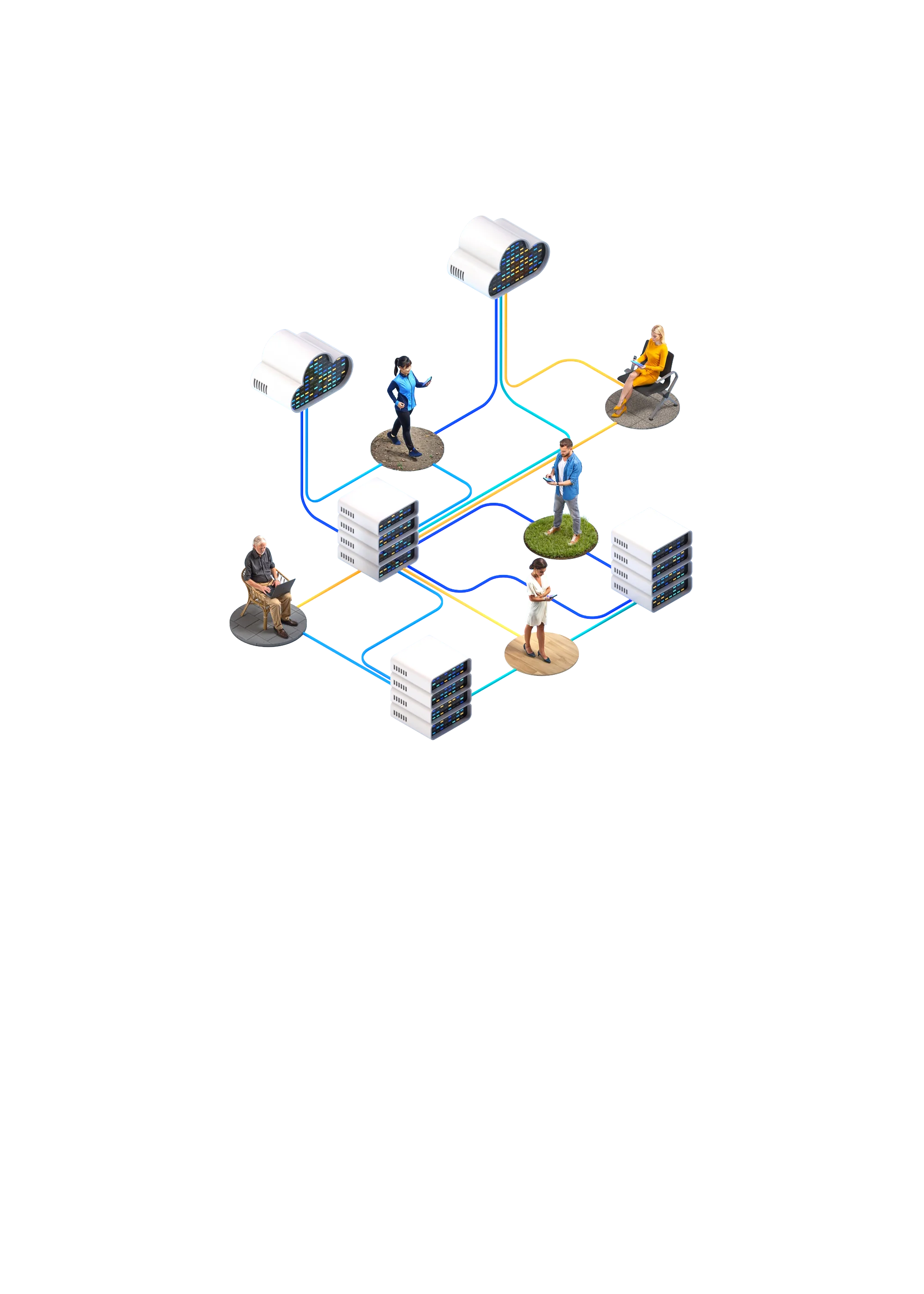

SimpleX Chat is building a messaging network unlike every major platform — without phone numbers, usernames, emails, or user accounts.
No phone numbers, emails, or accounts.
The full crowdfunding memo, in Markdown for AI assistants: simplex.chat/wefunder.md


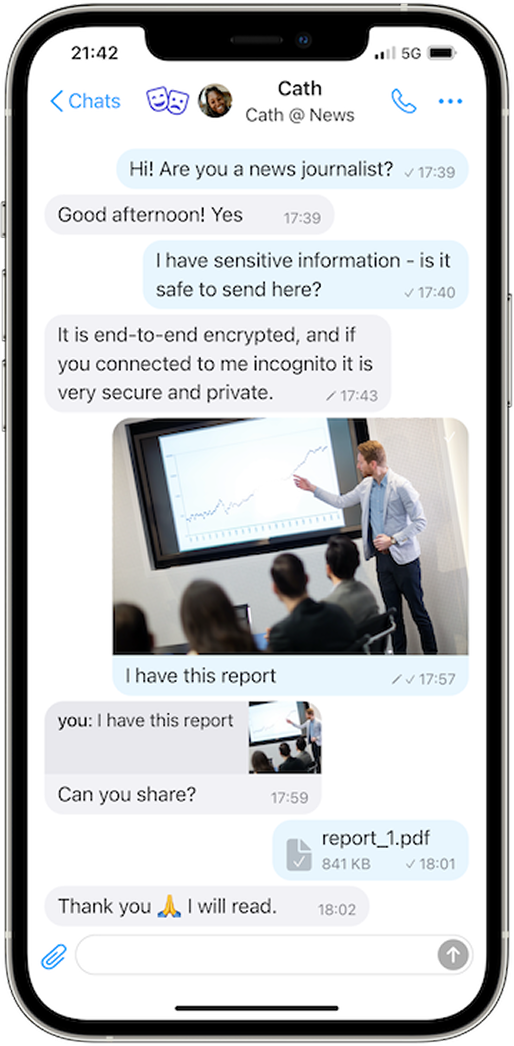

Organic growth: hundreds of user posts, podcasts and videos, and $650,000 in user donations, before any paid features.
Only $1.7M investment over 4 years — more capital efficient than most startups.
Surveillance, censorship and online crime all depend on user identifiers. AI made all three affect everyone.
Removing them by design, as SimpleX did, is the only solution — so you control who can reach you.
Why AI increases demand for privacyAll five kinds of users arrived on their own — the cold start problem solved.
Each group makes the network more valuable to others, accelerating growth.
Additional file capacity and SimpleX public names launch this year, followed by business messaging and paid servers for big channels.
Demand is proven — users donated $650,000 while everything was free.
Only SimpleX has every property in this comparison — together they need a network without user identifiers.
A network with user IDs can't remove them — rivals would have to rebuild, and the ad giants would lose revenue that depends on user IDs.
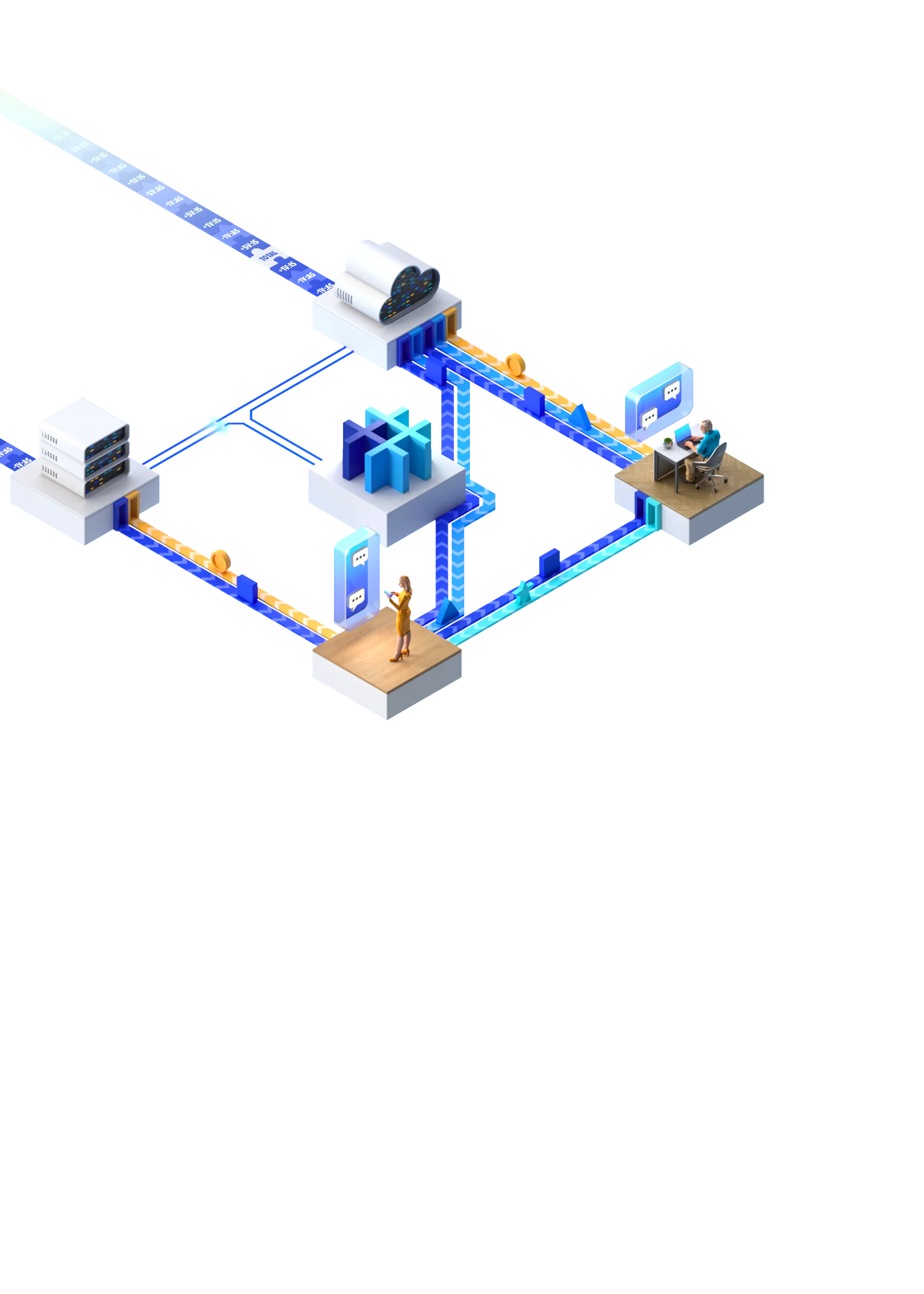
Developers already built many different services on SimpleX. In 2027, we plan to add support for user-created features inside chats.
Features and services users build would bring new users and increase revenue.
How custom UX helps unify messagingWe are building a network that people own.
We invite you to invest and become part of it.
Invest $500+ during early bird terms and get a SimpleX public name for your channel or business for 5 years, ahead of public launch.
Surveillance, deplatforming, and online fraud used to require human effort, so they were relatively rare — and most people thought they needed no protection.*
AI removed the effort: it scans messages at scale, deplatforms automatically, and can fake any face, voice, or number. Anyone with a user identifier will now be targeted — so everyone will want protection.
AI agents handling credentials and money increase demand further: an agent whose identity is controlled by a platform can be shut down or turned against its owner.
Everyone will want communication without user identifiers — and only SimpleX network can provide it.
* In 2021, 9% of 16+ year old US residents were victims of identity theft — Bureau of Justice Statistics.
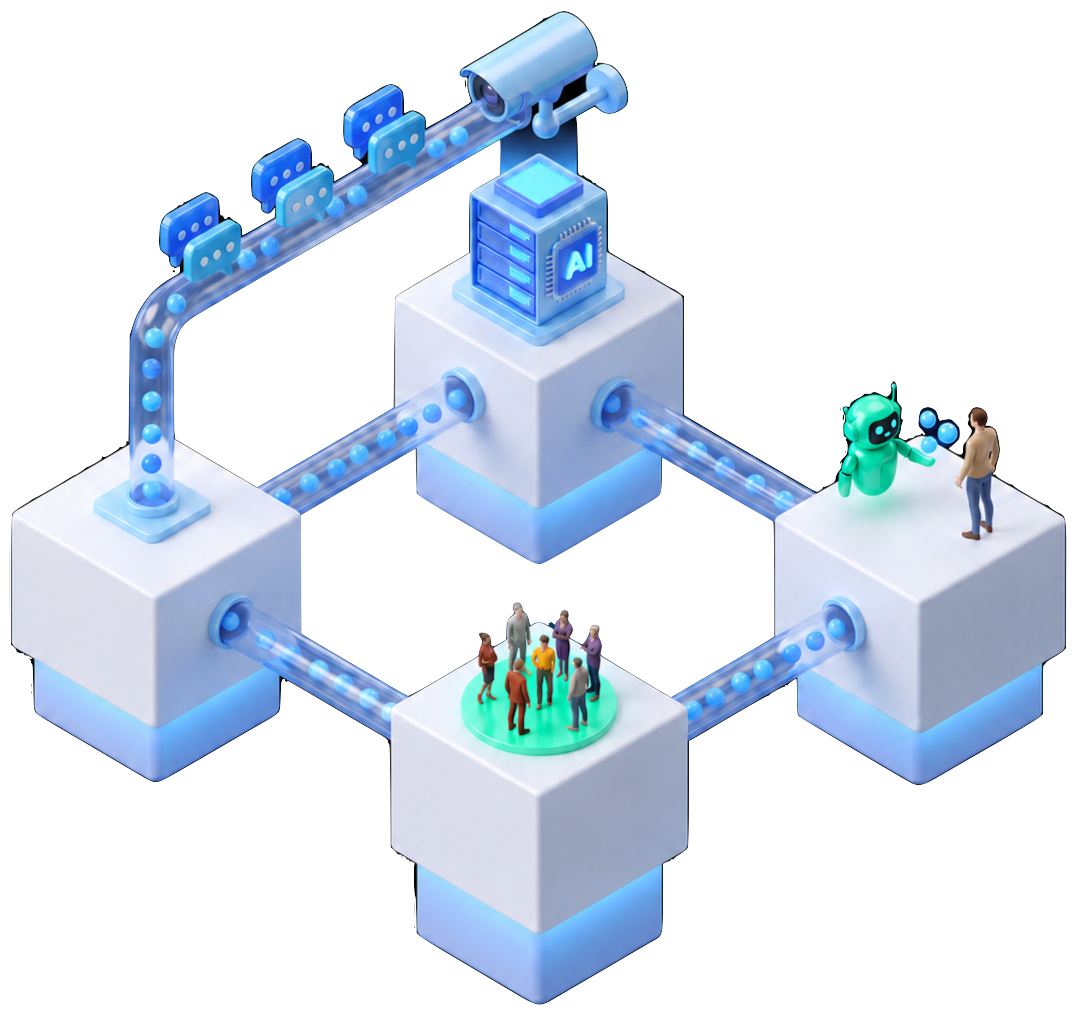
For 150 years, every network required a user identifier to reach you — a phone number, a username, or a key.
This identifier is your fixed address that can be used to surveil, deplatform, or attack you. AI made it automatic and cheap, so everyone is affected now. SimpleX has no user identifiers at all, so users are protected from such attacks — it is the only network built this way.
The AI agents now acting for people need the same — an identity no company can control, on a network without any user identifiers.
We will send the deck and updates about the crowdfunding.
Or connect to our team via SimpleX ChatWe use Mailchimp to send emails.
Every network before messaging converged to one protocol — telephony, email, the web.
Messaging is the exception, because each app's experience can't be reduced to a shared protocol.
Once we add custom user experiences in the chat, SimpleX might become the network messaging converges on.